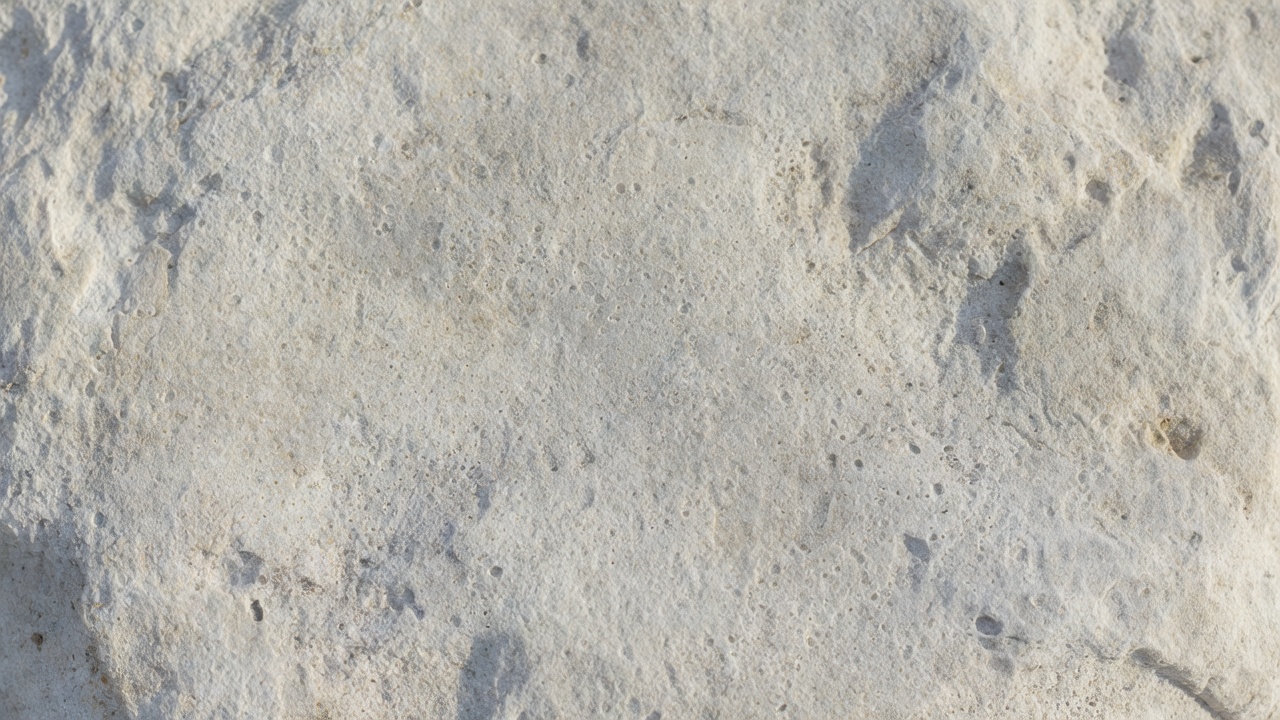
Natural stone is not a single performance category. Two visually similar slabs can differ in mineral composition, pore structure, treatment and response to use. A useful selection process separates appearance from evidence, then brings them back together. You are choosing a material, a finish and an installation system, not simply a colour.
Map the everyday exposure
Write down what happens in the room before visiting a showroom. A kitchen worktop meets lemon juice, cooking oil, hot cookware and the edges of heavy pans. An entrance floor meets grit and rainwater. A bathroom wall may receive relatively little abrasion but still needs a suitable substrate, waterproofing strategy and cleaning routine. These are different briefs.
Also record what you are willing to notice. Some households welcome a marble worktop that develops lighter etch marks. Others want a consistent sheen and will find the same change distracting. Neither preference is more sophisticated. Trouble begins when expectations remain unspoken until after installation.
Treat stone names as a starting point
Marble and many limestones contain carbonate minerals that react with common household acids. Granite is generally more resistant to those acids, although its minerals, finish and treatments still matter. Quartzite is a metamorphic rock rich in quartz, but commercial naming is not always a reliable geological identification. Ask the supplier to identify the specific product and explain the evidence behind its intended use.
Carrara, Calacatta and Statuario are familiar names associated with Italian marble. Jura limestone, Pietra Serena and Rosso Verona belong to different material and regional traditions. Names help describe origin and appearance; they do not replace product-specific technical information. Likewise, “Belgian bluestone” is a traditional name for a limestone, not a guarantee of performance based on colour.
| Use | Ask about | Do not assume |
|---|---|---|
| Kitchen surface | Acid response, staining, support and heat precautions | Sealing makes every spill harmless |
| Wet floor | Wet slip testing, drainage and cleaning | A textured appearance proves slip resistance |
| Entrance floor | Abrasion, grit control and matting | Hardness alone predicts the finished floor’s behaviour |
| Wall lining | Weight, fixing, substrate and panel dimensions | Any adhesive is suitable for any slab |
Read beyond the small sample
Request a representative range rather than one ideal piece. Compare dry samples in daylight and under your planned artificial light. Where appropriate, ask to view an agreed sample damp as well, because moisture can change apparent colour. Do not apply test liquids to showroom stock without permission. Any trial should use an authorised offcut and a documented method.
Inspect the actual slabs, or obtain clear, traceable images if an in-person visit is impossible. Mark the proposed cuts and discuss the distribution of veins, filled areas and natural fissures. A resin-filled area is not automatically a defect, but its visibility, durability and suitability deserve discussion. Agree how natural variation will be accepted before fabrication, not while the installation team is waiting.
Ask for evidence that fits the application
Relevant European test references include EN 1936 for density and porosity, EN 13755 for water absorption at atmospheric pressure, and EN 12372 for flexural strength under concentrated load. EN 12407 concerns petrographic examination. A result needs context: the test method, specimen orientation, conditioning and relationship to the supplied stone all matter. These references are not universal pass marks.
For flooring, ask the designer or supplier which product standard and slip assessment apply to the project and jurisdiction. EN 12058 covers natural stone slabs for floors and stairs, while EN 16165 provides methods for evaluating slip resistance of pedestrian surfaces. A result obtained under one condition should not be casually transferred to another finish or wet-use scenario.
Finally, make the brief buildable. Confirm thickness, spans, cut-outs, reinforcement, substrate tolerances, adhesive compatibility and installation responsibilities with the appropriate professionals. Large panels and fragile geometries can require specialist engineering. Record the chosen finish, accepted samples, slab references and care instructions in writing. A clear specification protects the intended appearance while acknowledging that stone remains a variable natural material.